1958: Sam Cooke and Lou Rawls were injured in a car accident that claimed the life of the driver near Marion, Arkansas.
1958: Frank Sinatra began filming the movie A Hole in the Head.
1958: "Topsy II" by Cozy Cole spent a third week at #1 on the R&B chart.

1958: "I Got Stung" by Elvis Presley moved from #65 to #18.
1960: Gregg Allman received a guitar as an early present for his 13th birthday (December 8).
1961: Elvis Presley scored his ninth #1 song in the U.K. with "(Marie's The Name) His Latest Flame"/"Little Sister".
1962: Brenda Lee took over at #1 on the Easy Listening chart with "All Alone Am I".
1963: The Yardbirds, with Eric Clapton aboard on guitar, performed at the Crawdaddy Club in Richmond, Surrey, England.
1964: The Beatles played the last date of a U.K. tour at Colston Hall in Bristol, England. (Note: some websites erroneously show the date of the concert as November 9, but the official website of Colston Hall reports that it was November 10.)
1967: Although it did not become a smash until five years later, the Moody Blues released the single "Nights in White Satin".
1967: The Beatles filmed three promotional clips for the single "Hello Goodbye" at the Saville Theatre in London. In the first, the group wore the uniforms they wore in the movie Sgt. Pepper's Lonely Hearts Club Band. They wore normal, everyday clothes in the second and in the third, the clip showed sequences from the group's first two movies plus additional shots of the group doing the dance the twist.
1969: "Rudolph the Red-Nosed Reindeer" by Gene Autry went over a million copies sold and earned a Gold record.
1969: Change of Habit, the last movie starring Elvis Presley, was released in theaters. (Note: some websites list the premiere as January 21, 1970, but according to the book 'The Encyclopedia of Sixties Cool: A Celebration of the Grooviest People' by Chris Strodder, the movie was released on November 10, 1969.)
1970: Martha Reeves and her husband celebrated the birth of son Eric.
1971: Badfinger released their single "Day After Day".
1972: Led Zeppelin's winter tour of the U.K. sold out as fans bought 120,000 tickets in one day.
1973: Helen Reddy advanced from 90 to 59 with "Leave Me Alone (Ruby Red Dress)".
 1973: Eddie Kendricks, former lead singer of the Temptations, earned the #1 song with "Keep On Truckin'". That meant Gladys Knight & the Pips had an abbreviated stay of two weeks at #1 with "Midnight Train To Georgia". The Rolling Stones' former #1 "Angie" was third followed by "Heartbeat - It's A Lovebeat" from the DeFranco Family. The rest of the Top 10: Marie Osmond's "Paper Roses", Ringo Starr had his fourth solo hit and third straight Top 10 with "Photograph", moving from 11 to 6, Billy Preston's instrumental "Space Race" came in at position #7, Cher's former #1 "Half-Breed" was #8, Art Garfunkel slipped up to #9 with "All I Know" and the Carpenters were an amazing 10 of 14 in earning Top 10 hits, registering their eight consecutive Top 10 with "Top Of The World".
1973: Charlie Rich claimed the new #1 Easy Listening song with "The Most Beautiful Girl".
1973: Gladys Knight & the Pips spent a fourth week at #1 on the R&B chart with their classic "Midnight Train To Georgia".

1973: Goodbye Yellow Brick Road rose to #1 on the Album chart for Elton John after just four weeks.
1974: Jose Feliciano was a guest star on the popular television show McMillan and Wife on NBC.
1975: Chicago released Chicago IX, their greatest hits package.
1975: David Bowie owned the top song in the U.K. with "Space Oddity".
1979: Fleetwood Mac had the #1 album in the U.K. with the great Tusk.
1979: Kool & the Gang knew where their bread was buttered, and their song about "Ladies Night" moved from #56 to #25.
Styx with one of their biggest career hits...
1979: The Eagles collected their fifth #1 song "Heartache Tonight", which was also their 8th Top 10 in 16 releases. Donna Summer challenged with "Dim All The Lights" while "Still" by the Commodores moved to #3. Herb Alpert's former #1 "Rise" was fourth while the previous #1 from M--"Pop Musik" was fifth. The rest of the Top 10: "Babe" from Styx, Barbra Streisand and Donna Summer moved up with "No More Tears (Enough Is Enough)", Fleetwood Mac's lead single from Tusk, the title track, was #8, Kenny Rogers and "You Decorated My Life" and K.C. and the Sunshine Band registered their sixth Top 10 and 15th hit with "Please Don't Go".
1980: Neil Diamond released "The Jazz Singer" Soundtrack album.
1984: Chaka Khan went to #1 in the U.K. with "I Feel For You".
1984: One of The Most Important Songs of the Rock Era*--"Pride (In The Name Of Love)" from U2, moved from 74 to 55 on this date.

Chaka Khan had a big hit...
1984: Billy Ocean remained at #1 with "Caribbean Queen (No More Love On The Run)". Stevie Wonder's former #1 "I Just Called To Say I Love You" wasn't going away, Prince remained at #3 with "Purple Rain" and Wham! had #4--"Wake Me Up Before You Go-Go". The rest of the Top 10: A solo hit from Chaka Khan ("I Feel For You") moved from 10-5, Hall & Oates had their 25th hit and sixth straight Top 10 song with "Out Of Touch", Tina Turner's comeback was complete with "Better Be Good To Me", David Bowie's "Blue Jean" was #8, Chicago dropped with their great song "Hard Habit To Break" and Styx lead singer Dennis DeYoung picked himself up a solo Top 10 with "Desert Moon".
1984: After 18 weeks, Cyndi Lauper re-entered the Top 10 on the Album chart with She's So Unusual.
1986: Bruce Springsteen released the boxed set Live 1975-1985.
1986: Peter Gabriel released the single "Big Time".
 1986: Bob Dylan presented Gordon Lightfoot with the Canadian Hall of Fame Award at a ceremony in Toronto, Ontario.
1988: Steve Miller set out on his first concert tour in six years.
1990: Ronnie Dyson, who starred in the original production of Hair and was a solo artist ("(If You Let Me Make Love to You Then) Why Can't I Touch You" from 1970) died in Philadelphia, Pennsylvania of heart failure and lung disease at the age of 40.
1990: Mariah Carey" slid up to #1 on the R&B chart with her great song "Love Takes Time".
1990: Two releases, two #1's for Mariah Carey as "Love Takes Time" was the new #1 song.
1992: It always catches up to you. Axl Rose was found guilty of assault and property damage at a Guns N' Roses concert in Maryland Heights, Missouri. Rose was ordered to pay $50,000 to community groups.
1994: Jimmy Page and Robert Plant performed an acoustic version Stairway to Heaven" at a news station in Tokyo, Japan for broadcast on television.
1997: Tommy Tedesco, session guitarist for Elvis Presley and the Beach Boys, died of lung cancer in Northridge, California at the age of 67.
2002: Johnny Griffith, keyboard player with the Motown house band which played on Marvin Gaye's "I Heard It Through The Grapevine" among others, died of a heart attack at age 66 in Detroit, Michigan.
2002: Westlife picked up their 11th #1 song in the U.K. with "Unbreakable".
2003: Jane's Addiction played a surprise "flash mob" concert in Convent Garden in London.

2004: Cat Stevens, now known as Yusuf Islam, was given the Man for Peace award from ex-Soviet Premier Mikhail Gorbachev in Rome, Italy.
2004: As today's artists could no longer put together good albums, a collection of hits by Ashlee Simpson, Gretchen Wilson and others called Now 17 (similar to the albums K-Tel used to release in the 70's) easily rose to #1 on the Album chart.
2006: Gerald Levert, who had a hit with "Casanova" in 1987 and was the son of O'Jays vocalist Eddie Levert, died of a heart attack in Cleveland, Ohio at age 40.
2007: Carrie Underwood had the #1 album with Carnival Ride.
Born This Day:

1947: Greg Lake, singer/songwriter, bassist of King Crimson and Emerson, Lake & Palmer and later a producer, was born in Poole, Dorset, England. (Note: some websites show that Lake was born in Bournemouth. 'Allmusic.com' and other reputable websites show he was born in Poole. Greg later moved to Bournemouth.)

1947: Glen Buxton, elite guitarist with Alice Cooper; was born in Akron, Ohio; died of complications from pneumonia on October 19, 1997 in Clarion, Iowa.

1947: Dave Loggins, cousin of Kenny Loggins and a solo star with the song "Please Come to Boston" from 1974, was born in Mountain City, Tennessee.
1949: Donna Fargo ("The Happiest Girl In The Whole U.S.A." from 1972) was born in Mount Airy, North Carolina.
1949: Peter Bramall, who adopted the stage name Bram Tchaikovsky and was the lead singer of the group that goes by that name, was born in Lincolnshire, England.
1950: Ronnie Hammond, lead singer of the Atlanta Rhythm Section, was born in Macon, Georgia; died of heart failure in Forsyth, Georgia on March 14, 2011.
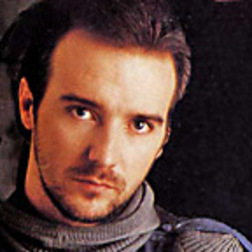
1953: Midge Ure, signer/songwriter, guitarist and keyboardist of Ultravox and also the author of the Band Aid song "Do They Know It's Christmas?", was born in Cambuslang, Lanarkshire, Scotland.
1954: Mario Cipollina, bassist of Huey Lewis & the News, was born in San Rafael, California.
1959: Frank Maudsley, bass guitarist with A Flock of Seagulls, was born in Liverpool, England.
1970: Warren G. ("Regulate" from 1994) was born in Long Beach, California.
1970: Derry Brownson, keyboardist of EMF ("Unbelievable" from 1990), was born in Gloucester, England.
1975: Jim Adkins, singer and guitarist of Jimmy Eat World, who gave us one of The Most Important Songs of the Rock Era*--"The Middle", was born in Mesa, Arizona.
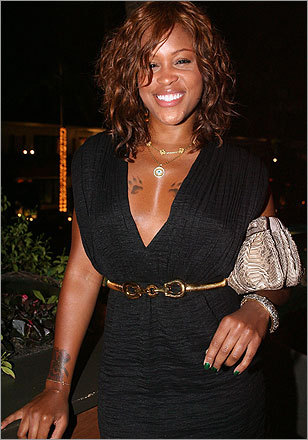
1978: Eve ("Gangsta' Loviin'" from 2002) was born in Philadelphia, Pennsylvania.
1979: Chris Joannou, bassist of Silverchair, was born in Newcastle, New South Wales.
1958: "Topsy II" by Cozy Cole spent a third week at #1 on the R&B chart.
1958: "I Got Stung" by Elvis Presley moved from #65 to #18.
1960: Gregg Allman received a guitar as an early present for his 13th birthday (December 8).
1961: Elvis Presley scored his ninth #1 song in the U.K. with "(Marie's The Name) His Latest Flame"/"Little Sister".
1962: Brenda Lee took over at #1 on the Easy Listening chart with "All Alone Am I".
1963: The Yardbirds, with Eric Clapton aboard on guitar, performed at the Crawdaddy Club in Richmond, Surrey, England.
1964: The Beatles played the last date of a U.K. tour at Colston Hall in Bristol, England. (Note: some websites erroneously show the date of the concert as November 9, but the official website of Colston Hall reports that it was November 10.)
1967: Although it did not become a smash until five years later, the Moody Blues released the single "Nights in White Satin".
1967: The Beatles filmed three promotional clips for the single "Hello Goodbye" at the Saville Theatre in London. In the first, the group wore the uniforms they wore in the movie Sgt. Pepper's Lonely Hearts Club Band. They wore normal, everyday clothes in the second and in the third, the clip showed sequences from the group's first two movies plus additional shots of the group doing the dance the twist.
1969: "Rudolph the Red-Nosed Reindeer" by Gene Autry went over a million copies sold and earned a Gold record.
1969: Change of Habit, the last movie starring Elvis Presley, was released in theaters. (Note: some websites list the premiere as January 21, 1970, but according to the book 'The Encyclopedia of Sixties Cool: A Celebration of the Grooviest People' by Chris Strodder, the movie was released on November 10, 1969.)
1970: Martha Reeves and her husband celebrated the birth of son Eric.
1971: Badfinger released their single "Day After Day".
1972: Led Zeppelin's winter tour of the U.K. sold out as fans bought 120,000 tickets in one day.
1973: Helen Reddy advanced from 90 to 59 with "Leave Me Alone (Ruby Red Dress)".
1973: Charlie Rich claimed the new #1 Easy Listening song with "The Most Beautiful Girl".
1973: Gladys Knight & the Pips spent a fourth week at #1 on the R&B chart with their classic "Midnight Train To Georgia".
1973: Goodbye Yellow Brick Road rose to #1 on the Album chart for Elton John after just four weeks.
1974: Jose Feliciano was a guest star on the popular television show McMillan and Wife on NBC.
1975: Chicago released Chicago IX, their greatest hits package.
1975: David Bowie owned the top song in the U.K. with "Space Oddity".
1979: Fleetwood Mac had the #1 album in the U.K. with the great Tusk.
1979: Kool & the Gang knew where their bread was buttered, and their song about "Ladies Night" moved from #56 to #25.
Styx with one of their biggest career hits...
1979: The Eagles collected their fifth #1 song "Heartache Tonight", which was also their 8th Top 10 in 16 releases. Donna Summer challenged with "Dim All The Lights" while "Still" by the Commodores moved to #3. Herb Alpert's former #1 "Rise" was fourth while the previous #1 from M--"Pop Musik" was fifth. The rest of the Top 10: "Babe" from Styx, Barbra Streisand and Donna Summer moved up with "No More Tears (Enough Is Enough)", Fleetwood Mac's lead single from Tusk, the title track, was #8, Kenny Rogers and "You Decorated My Life" and K.C. and the Sunshine Band registered their sixth Top 10 and 15th hit with "Please Don't Go".
1980: Neil Diamond released "The Jazz Singer" Soundtrack album.
1984: Chaka Khan went to #1 in the U.K. with "I Feel For You".
1984: One of The Most Important Songs of the Rock Era*--"Pride (In The Name Of Love)" from U2, moved from 74 to 55 on this date.
Chaka Khan had a big hit...
1984: Billy Ocean remained at #1 with "Caribbean Queen (No More Love On The Run)". Stevie Wonder's former #1 "I Just Called To Say I Love You" wasn't going away, Prince remained at #3 with "Purple Rain" and Wham! had #4--"Wake Me Up Before You Go-Go". The rest of the Top 10: A solo hit from Chaka Khan ("I Feel For You") moved from 10-5, Hall & Oates had their 25th hit and sixth straight Top 10 song with "Out Of Touch", Tina Turner's comeback was complete with "Better Be Good To Me", David Bowie's "Blue Jean" was #8, Chicago dropped with their great song "Hard Habit To Break" and Styx lead singer Dennis DeYoung picked himself up a solo Top 10 with "Desert Moon".
1984: After 18 weeks, Cyndi Lauper re-entered the Top 10 on the Album chart with She's So Unusual.
1986: Bruce Springsteen released the boxed set Live 1975-1985.
1986: Peter Gabriel released the single "Big Time".
1988: Steve Miller set out on his first concert tour in six years.
1990: Ronnie Dyson, who starred in the original production of Hair and was a solo artist ("(If You Let Me Make Love to You Then) Why Can't I Touch You" from 1970) died in Philadelphia, Pennsylvania of heart failure and lung disease at the age of 40.
1990: The Very Best of Elton John was the #1 album in the U.K.
1990: To the Extreme by Vanilla Ice was the album that finally ended M.C. Hammer's 21-week reign at #1 with Please Hammer Don't Hurt 'Em, fifth most in the Rock Era.1990: Mariah Carey" slid up to #1 on the R&B chart with her great song "Love Takes Time".
1990: Two releases, two #1's for Mariah Carey as "Love Takes Time" was the new #1 song.
1992: It always catches up to you. Axl Rose was found guilty of assault and property damage at a Guns N' Roses concert in Maryland Heights, Missouri. Rose was ordered to pay $50,000 to community groups.
1994: Jimmy Page and Robert Plant performed an acoustic version Stairway to Heaven" at a news station in Tokyo, Japan for broadcast on television.
1997: Tommy Tedesco, session guitarist for Elvis Presley and the Beach Boys, died of lung cancer in Northridge, California at the age of 67.
2002: Johnny Griffith, keyboard player with the Motown house band which played on Marvin Gaye's "I Heard It Through The Grapevine" among others, died of a heart attack at age 66 in Detroit, Michigan.
2002: Westlife picked up their 11th #1 song in the U.K. with "Unbreakable".
2003: Jane's Addiction played a surprise "flash mob" concert in Convent Garden in London.
2004: Cat Stevens, now known as Yusuf Islam, was given the Man for Peace award from ex-Soviet Premier Mikhail Gorbachev in Rome, Italy.
2004: As today's artists could no longer put together good albums, a collection of hits by Ashlee Simpson, Gretchen Wilson and others called Now 17 (similar to the albums K-Tel used to release in the 70's) easily rose to #1 on the Album chart.
2006: Gerald Levert, who had a hit with "Casanova" in 1987 and was the son of O'Jays vocalist Eddie Levert, died of a heart attack in Cleveland, Ohio at age 40.
2007: Carrie Underwood had the #1 album with Carnival Ride.
Born This Day:
1947: Greg Lake, singer/songwriter, bassist of King Crimson and Emerson, Lake & Palmer and later a producer, was born in Poole, Dorset, England. (Note: some websites show that Lake was born in Bournemouth. 'Allmusic.com' and other reputable websites show he was born in Poole. Greg later moved to Bournemouth.)
1947: Glen Buxton, elite guitarist with Alice Cooper; was born in Akron, Ohio; died of complications from pneumonia on October 19, 1997 in Clarion, Iowa.
1947: Dave Loggins, cousin of Kenny Loggins and a solo star with the song "Please Come to Boston" from 1974, was born in Mountain City, Tennessee.
1949: Donna Fargo ("The Happiest Girl In The Whole U.S.A." from 1972) was born in Mount Airy, North Carolina.
1949: Peter Bramall, who adopted the stage name Bram Tchaikovsky and was the lead singer of the group that goes by that name, was born in Lincolnshire, England.
1950: Ronnie Hammond, lead singer of the Atlanta Rhythm Section, was born in Macon, Georgia; died of heart failure in Forsyth, Georgia on March 14, 2011.
1953: Midge Ure, signer/songwriter, guitarist and keyboardist of Ultravox and also the author of the Band Aid song "Do They Know It's Christmas?", was born in Cambuslang, Lanarkshire, Scotland.
1954: Mario Cipollina, bassist of Huey Lewis & the News, was born in San Rafael, California.
1959: Frank Maudsley, bass guitarist with A Flock of Seagulls, was born in Liverpool, England.
1970: Warren G. ("Regulate" from 1994) was born in Long Beach, California.
1970: Derry Brownson, keyboardist of EMF ("Unbelievable" from 1990), was born in Gloucester, England.
1975: Jim Adkins, singer and guitarist of Jimmy Eat World, who gave us one of The Most Important Songs of the Rock Era*--"The Middle", was born in Mesa, Arizona.
1978: Eve ("Gangsta' Loviin'" from 2002) was born in Philadelphia, Pennsylvania.
1979: Chris Joannou, bassist of Silverchair, was born in Newcastle, New South Wales.

